
Diabetic Meal Plan: Your Complete Guide to Eating Well Every Day
Diabetic Meal Plan is a practical recipe guide from Aroma Meals.
A good meal plan changes everything for diabetics. It removes daily guesswork. It keeps blood sugar stable. It prevents those dangerous spikes and crashes that make diabetes so difficult to manage. You don’t need to follow a complicated diet or give up foods you love. You just need a smart, simple plan that works for your real life. This guide gives you exactly that.
Why a Diabetic Meal Plan Is Essential
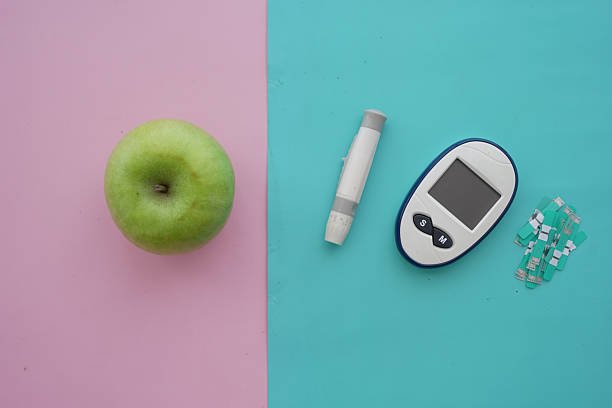
Managing diabetes without a meal plan is like driving without a map. You might reach your destination eventually, but you’ll take a lot of wrong turns along the way.
A structured meal plan does several important things simultaneously. It ensures you eat the right foods at the right times. It prevents impulsive, blood-sugar-damaging food choices. It reduces stress around mealtimes. It makes grocery shopping focused and efficient. And perhaps most importantly, it helps you maintain consistent blood sugar levels throughout every single day.
Research consistently shows that diabetics who follow structured meal plans manage their condition significantly better than those who eat randomly. HbA1c levels improve. Energy levels stabilize. Weight becomes easier to manage. The benefits extend far beyond just food.
Core Principles of a Diabetic Meal Plan
Control Carbohydrates Carefully
Carbohydrates affect blood sugar more than any other nutrient. This doesn’t mean eliminating them completely. It means choosing the right types and controlling portions carefully.
Focus on complex carbohydrates with high fiber content. These include whole grains, legumes, vegetables, and low-glycemic fruits. They release glucose slowly and steadily into the bloodstream. Avoid refined carbohydrates like white bread, white rice, sugary snacks, and processed cereals. These cause rapid blood sugar spikes.
Most diabetics aim for 45–60 grams of carbohydrates per meal. However, your specific target should be discussed with your doctor or dietitian.
Prioritize Lean Protein
Protein has minimal effect on blood sugar. It slows digestion and keeps you feeling full and satisfied between meals. Include a quality protein source at every meal throughout the day.
Excellent diabetic protein choices include chicken breast, turkey, fish, eggs, Greek yogurt, cottage cheese, tofu, lentils, and beans. These foods support muscle health and stabilize blood sugar simultaneously.
Include Healthy Fats
Healthy fats are essential for diabetics. They support heart health, which matters greatly since diabetes significantly increases cardiovascular risk. They also slow digestion, which helps moderate blood sugar rises after meals.
Choose olive oil, avocado, nuts, seeds, and fatty fish like salmon and mackerel. Limit saturated fats from red meat and full-fat dairy. Avoid trans fats completely.
Eat Plenty of Non-Starchy Vegetables
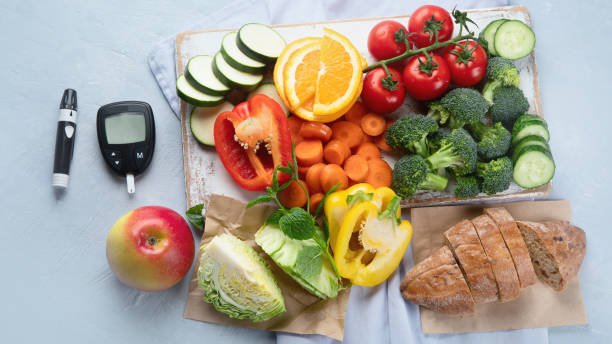
Non-starchy vegetables are the foundation of every good diabetic meal plan. They are high in fiber, vitamins, and minerals. They have very few carbohydrates and almost no impact on blood sugar.
Fill at least half your plate with these vegetables at every meal. Spinach, broccoli, cauliflower, zucchini, asparagus, green beans, cucumber, tomatoes, mushrooms, and kale are all excellent choices. Eat them raw, roasted, steamed, or sautéed.
7-Day Diabetic Meal Plan
Day 1
Breakfast: Veggie omelette with spinach, mushrooms, and bell peppers cooked in olive oil. Side of half an avocado.
Lunch: Grilled chicken salad with mixed greens, cucumber, cherry tomatoes, olives, and olive oil lemon dressing.
Dinner: Baked salmon with roasted asparagus and half a cup of quinoa.
Snack: A small handful of almonds and a few celery sticks.
Day 2
Breakfast: Plain Greek yogurt topped with fresh blueberries, chia seeds, and a sprinkle of cinnamon.
Lunch: Lentil and vegetable soup with a small slice of whole grain bread.
Dinner: Turkey stuffed bell peppers with cauliflower rice and diced tomatoes.
Snack: Two hard-boiled eggs with a pinch of salt and pepper.
Day 3
Breakfast: Overnight oats made with rolled oats, unsweetened almond milk, chia seeds, and topped with strawberries.
Lunch: Tuna salad lettuce wraps with avocado, diced celery, mustard, and lemon juice.
Dinner: Grilled chicken thighs with roasted broccoli and sweet potato in a small portion.
Snack: Cottage cheese with sliced cucumber and everything bagel seasoning.
Day 4
Breakfast: Scrambled eggs with smoked salmon and fresh spinach sautéed in olive oil.
Lunch: Chickpea and vegetable salad with olive oil, lemon, fresh parsley, and feta cheese.
Dinner: Lean beef and vegetable stir-fry with cauliflower rice and low-sodium soy sauce.
Snack: A small apple with a tablespoon of natural almond butter.
Day 5
Breakfast: Chia seed pudding made with coconut milk, vanilla, and topped with fresh raspberries.
Lunch: Grilled shrimp over a large green salad with avocado, radishes, and cilantro lime dressing.
Dinner: Baked cod with steamed green beans and a small portion of brown rice.
Snack: A handful of mixed nuts and seeds.
Day 6
Breakfast: Almond flour pancakes topped with fresh berries and a dollop of plain Greek yogurt.
Lunch: Black bean and vegetable soup with diced avocado on top.
Dinner: Zucchini noodles with turkey meatballs in a low-sugar marinara sauce and fresh basil.
Snack: Sliced bell peppers with hummus.
Day 7
Breakfast: Two eggs any style with sautéed kale, garlic, and a side of sliced tomatoes.
Lunch: Leftover turkey meatballs over a spinach salad with balsamic vinegar dressing.
Dinner: Slow cooker chicken and vegetable stew with plenty of non-starchy vegetables.
Snack: Plain Greek yogurt with a sprinkle of crushed walnuts.
Smart Snacking for Diabetics
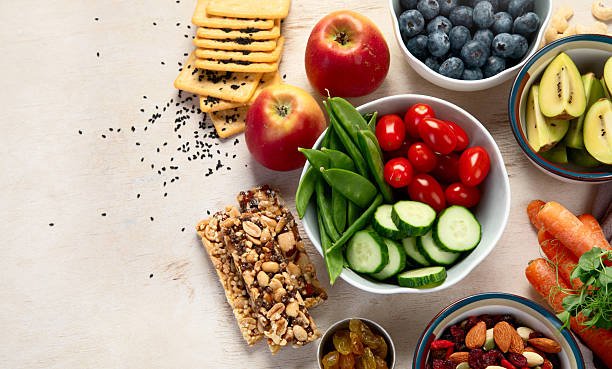
Snacks play an important role in a diabetic meal plan. The right snack prevents blood sugar from dropping too low between meals. The wrong snack creates unnecessary spikes.
Always choose snacks that combine protein, fiber, and healthy fat together. This combination slows digestion and keeps blood sugar stable between meals.
Best diabetic snack options:
- Hard-boiled eggs
- Celery with natural peanut butter
- A small handful of mixed nuts
- Cottage cheese with cucumber
- Greek yogurt with berries
- Avocado with sea salt
- Hummus with sliced vegetables
- A small apple with almond butter
- String cheese with a few whole grain crackers
- Edamame lightly salted
Keep these snacks prepped and accessible in your fridge and pantry. When hunger strikes between meals, having the right options ready prevents impulsive bad choices.
Foods to Include in Your Diabetic Meal Plan
Building a successful meal plan starts with stocking the right ingredients. Keep these diabetic-friendly staples always available.
Proteins: Chicken breast, turkey, salmon, tuna, eggs, Greek yogurt, cottage cheese, tofu, lentils, chickpeas, black beans.
Vegetables: Spinach, kale, broccoli, cauliflower, zucchini, asparagus, green beans, mushrooms, bell peppers, tomatoes, cucumber, onion, garlic.
Healthy fats: Olive oil, avocado, almonds, walnuts, chia seeds, flaxseeds, natural nut butters.
Smart carbs: Rolled oats, quinoa, brown rice in small portions, sweet potato in small portions, whole grain bread, lentils, beans.
Fruits: Blueberries, strawberries, raspberries, blackberries, apples, pears, and citrus fruits in moderate amounts.
Dairy: Plain Greek yogurt, cottage cheese, low-fat cheese, and unsweetened almond or coconut milk.
Foods to Avoid in a Diabetic Meal Plan
Knowing what to leave off your plate is equally important as knowing what to add.
Sugary drinks are the number one enemy of blood sugar control. Soda, fruit juice, sweetened coffee drinks, and energy drinks cause rapid and dramatic glucose spikes. Replace all of them with water, sparkling water, or unsweetened herbal tea.
White refined carbohydrates including white bread, white pasta, white rice, and pastries digest quickly and raise blood sugar fast. Always choose whole grain or vegetable-based alternatives.
Processed snack foods like chips, crackers, cookies, and candy bars provide nothing but empty carbohydrates and unhealthy fats. They make blood sugar control extremely difficult.
Sugary breakfast cereals are deceptive. They look healthy on packaging but often contain more sugar per serving than a candy bar. Read nutrition labels carefully every single time.
Fried foods add trans fats and excess calories that contribute to weight gain and make diabetes harder to manage over time.
Full-fat processed meats like sausages, hot dogs, and deli meats are high in saturated fat and sodium. They increase cardiovascular risk which is already elevated in diabetics.
Practical Meal Planning Tips
Plan your meals every Sunday. Sit down for 15 minutes. Decide what you will eat for every meal during the coming week. Write a detailed grocery list. Buy exactly what you need and nothing more.
Batch cook proteins. Grill a large batch of chicken breasts. Bake several salmon fillets. Hard-boil a dozen eggs. Store everything in containers in the fridge. This makes assembling healthy meals incredibly fast throughout the week.
Pre-chop vegetables. Wash and cut vegetables on Sunday. Store them in clear containers at eye level in the fridge. When you open the fridge and see ready-to-eat vegetables, you’re much more likely to use them.
Use the plate method consistently. Half plate non-starchy vegetables. Quarter plate lean protein. Quarter plate quality carbohydrates. This simple visual guide works for every meal without any counting or tracking.
Read nutrition labels. Look at total carbohydrates and dietary fiber. Subtract fiber from total carbs to calculate net carbs. This number tells you the actual impact on blood sugar.
Eat at consistent times. Your body responds better to regular meal timing. Try to eat breakfast, lunch, dinner, and snacks at approximately the same time each day. This helps regulate blood sugar throughout the day more predictably.
Stay hydrated all day. Drink water consistently. Dehydration affects blood sugar readings and overall health. Aim for eight glasses of water daily. Carry a water bottle everywhere.
Monitor and adjust. Check your blood sugar before and after meals regularly. This gives you real data on how specific foods affect your individual glucose levels. Use this information to refine your meal plan over time.
Frequently Asked Questions
1. How many meals should a diabetic eat per day?
Three balanced meals with one or two small healthy snacks works best for most diabetics to maintain steady blood sugar throughout the day.
2. Can diabetics follow a vegetarian meal plan?
Absolutely. Plant-based proteins like lentils, chickpeas, tofu, and beans work excellently in a diabetic meal plan with careful carb management.
3. Should diabetics count calories or carbs?
Focusing on carbohydrate quality and quantity is more important for blood sugar control than calorie counting alone.
4. Can I have cheat meals on a diabetic meal plan?
Occasional treats are fine in very small portions. Choose wisely and monitor your blood sugar response carefully afterward.
5. Do I need a dietitian to create a diabetic meal plan?
A registered dietitian provides personalized guidance. However, following evidence-based general guidelines like those in this article is an excellent starting point for most people.
Final Thoughts
A diabetic meal plan is one of the most powerful tools you have for managing your condition effectively. It puts you in control. It removes daily decision fatigue. It protects your blood sugar every single meal of every single day. The seven-day plan in this guide gives you a practical, delicious, and completely realistic starting point. Follow it consistently.
Adjust it to your personal tastes and preferences over time. Work with your healthcare team. Monitor your results. Stay committed to the process. Your blood sugar levels, your energy, your weight, and your long-term health will all reflect the positive power of eating with intention and purpose every single day.
Related recipes
- Mediterranean Sheet Pan Dinner: Easy One-Pan Recipes
- Mediterranean Rice Bowls: Easy, Fresh & Full of Flavor
- Mediterranean Chickpea Recipes: Simple, Healthy & Delicious