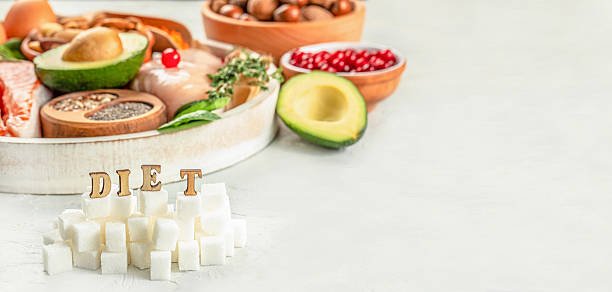

Diabetic Desserts: Sweet Treats That Won’t Spike Your Blood Sugar
Diabetic Desserts is a practical recipe guide from Aroma Meals.
Who says diabetics can’t enjoy dessert? Nobody should have to give up something sweet just because of a diagnosis. The truth is that plenty of genuinely delicious desserts work perfectly for people with diabetes. You just need the right ingredients and a little creativity. These diabetic dessert ideas are satisfying, naturally sweetened, and completely blood sugar friendly. Let’s get into it.
Can Diabetics Really Eat Dessert?
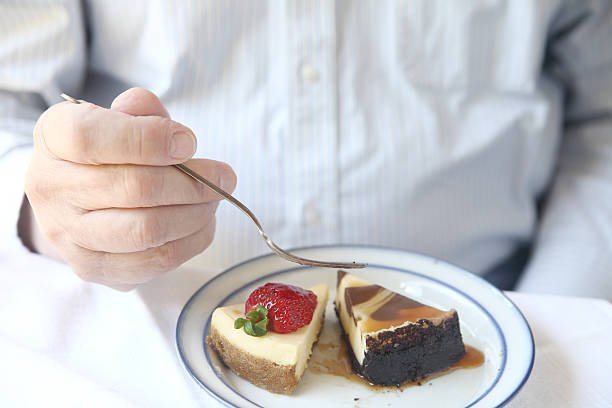
This is the question most newly diagnosed diabetics ask. The answer is yes. Absolutely yes.
The key is understanding what makes a dessert problematic for blood sugar. Traditional desserts are loaded with refined sugar and white flour. These ingredients digest rapidly and cause immediate glucose spikes. That’s the real problem. Not dessert itself.
When you swap refined sugar for natural low-glycemic sweeteners and replace white flour with almond flour or coconut flour, everything changes. You get the same satisfaction, the same sweetness, and the same enjoyment — without the dangerous blood sugar consequences.
Smart ingredient choices make all the difference. Once you understand that principle, a whole world of diabetic-friendly desserts opens up to you.
Best Natural Sweeteners for Diabetic Desserts
Before jumping into recipes, it helps to understand which sweeteners work best for diabetics.
Stevia is a plant-based sweetener with zero calories and zero impact on blood sugar. It’s much sweeter than sugar so you use very small amounts. It works well in baked goods, puddings, and drinks.
Erythritol is a sugar alcohol that occurs naturally in some fruits. It has almost no effect on blood sugar or insulin levels. It tastes very similar to regular sugar and measures almost cup for cup.
Monk fruit sweetener comes from a small Asian fruit. It contains zero calories and doesn’t raise blood sugar at all. It has a clean, pleasant sweetness without any bitter aftertaste.
Xylitol is another sugar alcohol. It has a lower glycemic index than sugar and tastes very similar. Use it carefully as large amounts can cause digestive discomfort.
Avoid regular sugar, honey, maple syrup, and agave in large amounts. They all raise blood sugar significantly even though some are marketed as natural alternatives.
Best Diabetic Dessert Recipes
1. Dark Chocolate Avocado Mousse
This sounds unusual. Trust the process. It is absolutely incredible.
Avocado creates the most luxuriously creamy mousse texture imaginable. Combined with dark chocolate and a touch of sweetener, it becomes a dessert that impresses everyone who tries it.
Ingredients:
- 2 ripe avocados
- 3 tablespoons unsweetened cocoa powder
- 3 tablespoons erythritol or stevia to taste
- 1 teaspoon vanilla extract
- Pinch of salt
- 2 tablespoons unsweetened almond milk
How to make it:
Blend all ingredients together in a food processor until completely smooth and silky. Taste and adjust sweetness. Refrigerate for at least 30 minutes before serving. Top with fresh raspberries or a sprinkle of crushed walnuts.
The healthy fats from avocado actually slow sugar absorption. The dark cocoa powder is rich in antioxidants. This mousse has minimal carbohydrates and absolutely zero refined sugar. It tastes like a professional dessert.
2. Almond Flour Chocolate Chip Cookies
Regular cookies are off limits. These ones absolutely are not.
Almond flour is low in carbohydrates and high in protein and healthy fat. It creates a wonderfully tender cookie texture that rivals traditional recipes.
Ingredients:
- 2 cups almond flour
- ¼ cup erythritol
- ½ teaspoon baking soda
- Pinch of salt
- 1 egg
- 3 tablespoons melted coconut oil
- 1 teaspoon vanilla extract
- ½ cup sugar-free chocolate chips
How to make them:
Preheat oven to 350°F. Mix dry ingredients together. Add egg, coconut oil, and vanilla. Stir until a dough forms. Fold in chocolate chips. Scoop tablespoon-sized balls onto a parchment-lined baking sheet. Press down slightly. Bake for 10–12 minutes until golden around the edges.
Let them cool completely before eating. They firm up beautifully as they cool. Each cookie has around 3–4 net carbs. You can enjoy two or three without any blood sugar concern.
3. Berry Chia Seed Pudding
Chia seed pudding has become a diabetic dessert staple for very good reason. Chia seeds are extraordinarily high in fiber. They form a thick gel that slows sugar absorption dramatically. They also keep you feeling full for a long time.
Mix three tablespoons of chia seeds with one cup of unsweetened coconut milk. Add a teaspoon of vanilla extract and sweeten with a few drops of liquid stevia. Stir well. Refrigerate for at least four hours or overnight.
When ready to serve, top generously with fresh mixed berries. Blueberries, strawberries, and raspberries are all low glycemic and packed with antioxidants. Add a small drizzle of sugar-free dark chocolate sauce if you want extra indulgence.
This dessert is creamy, satisfying, and genuinely beautiful in a glass. It works as a dessert or even a breakfast.
4. Frozen Yogurt Bark
This one is as fun to make as it is to eat. Kids love it too.
Line a baking sheet with parchment paper. Spread two cups of plain unsweetened Greek yogurt across the sheet in an even layer about half an inch thick. Top with fresh sliced strawberries, blueberries, and a sprinkle of chopped pistachios or almonds. Add a light drizzle of sugar-free honey alternative.
Freeze for at least three hours until completely solid. Break into irregular pieces like bark. Store in a zip-lock bag in the freezer.
Each piece is cold, creamy, crunchy, and sweet. The Greek yogurt provides protein. The berries add antioxidants and natural sweetness. The nuts add healthy fat and crunch. This is a genuinely fun diabetic dessert that the whole family can enjoy.
5. Baked Cinnamon Pears
Sometimes the simplest desserts are the most satisfying. This one uses natural fruit sweetness enhanced with warming spices.
Halve two ripe pears and scoop out the cores. Place them cut-side up in a baking dish. Sprinkle generously with cinnamon, a tiny pinch of nutmeg, and a small amount of erythritol. Add a small cube of butter on top of each half. Pour a tablespoon of water into the bottom of the dish.
Bake at 375°F for 20–25 minutes until tender and caramelized. Serve warm with a small spoonful of plain Greek yogurt on the side.
Pears have a moderate glycemic index. Eaten in half portions with protein from the yogurt, they work well for most diabetics. The cinnamon adds flavor and has been shown to improve insulin sensitivity. This dessert feels warm, comforting, and completely seasonal.
6. No-Bake Peanut Butter Energy Balls
These little bites are perfect for when you need something sweet but small. They require zero baking and come together in ten minutes.
Ingredients:
- 1 cup natural peanut butter (no added sugar)
- ½ cup almond flour
- 3 tablespoons erythritol
- 1 teaspoon vanilla extract
- ¼ cup sugar-free chocolate chips
- 2 tablespoons chia seeds
How to make them:
Mix all ingredients together in a bowl until fully combined. If the mixture is too sticky, add a little more almond flour. Roll into small balls about the size of a walnut. Place on a baking sheet lined with parchment. Refrigerate for one hour until firm.
Store in an airtight container in the fridge for up to one week. Each ball has around 3–4 net carbs and delivers a satisfying hit of protein and healthy fat. They’re perfect after dinner when you want just a small sweet bite.
7. Coconut Flour Banana Muffins
Bananas are higher in natural sugar but work well in small amounts when combined with fiber-rich ingredients. Coconut flour absorbs a lot of moisture and creates a wonderfully dense, moist muffin.
Ingredients:
- ½ cup coconut flour
- 2 very ripe bananas, mashed
- 3 eggs
- ¼ cup unsweetened almond milk
- 2 tablespoons erythritol
- 1 teaspoon baking powder
- 1 teaspoon cinnamon
- 1 teaspoon vanilla extract
How to make them:
Preheat oven to 350°F. Mix mashed banana with eggs, almond milk, vanilla, and erythritol. Stir in coconut flour, baking powder, and cinnamon. Mix until smooth. Pour into lined muffin cups. Bake for 22–25 minutes until a toothpick comes out clean.
These muffins are naturally sweetened by the banana. The coconut flour adds fiber. The eggs provide protein. Each muffin has around 8 net carbs. Enjoy one as a satisfying dessert without worry.
Tips for Making Diabetic Desserts Successfully
Read labels on sugar-free products. Some sugar-free items contain maltitol, a sugar alcohol that still raises blood sugar significantly. Choose products sweetened with erythritol, stevia, or monk fruit instead.
Watch your portion sizes. Even diabetic-friendly desserts contain calories and some carbohydrates. Eating three portions defeats the purpose. One mindful serving is the goal.
Pair sweet treats with protein. Having a small dessert alongside nuts, Greek yogurt, or cheese slows sugar absorption further. This combination approach protects blood sugar even more effectively.
Use ripe fruit wisely. Very ripe fruit is sweeter and higher in natural sugar. Use it in small amounts to sweeten recipes naturally without adding refined sweeteners.
Experiment with spices. Cinnamon, nutmeg, cardamom, and vanilla extract add enormous flavor without any carbohydrates. They make desserts taste sweeter and more complex without any blood sugar impact.
Cool baked goods completely. Interestingly, cooling baked goods actually increases their resistant starch content. This means they digest slightly more slowly and have less impact on blood sugar than eating them hot from the oven.
Frequently Asked Questions
1. Can diabetics eat chocolate?
Yes. Choose dark chocolate with 70% cocoa or higher. Eat in small portions. Avoid milk chocolate which contains much more sugar.
2. Is fruit a good diabetic dessert?
Low-glycemic fruits like berries, apples, and pears work well in small portions. Avoid tropical fruits and dried fruits which are higher in sugar.
3. Are sugar-free desserts safe for diabetics?
Most are safe but check the sweetener used. Stevia, erythritol, and monk fruit are the best options for blood sugar control.
4. How much dessert can a diabetic eat?
One small serving after a balanced meal is generally acceptable. Monitor your blood sugar response individually as everyone reacts differently.
5. Is ice cream completely off limits for diabetics?
Regular ice cream is not ideal. Look for low-carb or no-sugar-added versions made with erythritol or stevia. Enjoy in small portions occasionally.
Final Thoughts
Diabetes does not mean the end of dessert. It means the beginning of smarter, more intentional dessert choices. From silky avocado chocolate mousse to crispy almond flour cookies and refreshing frozen yogurt bark, there is a diabetic dessert for every craving and every occasion.
The recipes in this guide prove that sweet satisfaction and healthy blood sugar control can absolutely coexist. Start with one recipe this week. Discover how delicious eating well can truly be. Because everyone deserves something sweet at the end of a good day.
Related recipes
- Mediterranean Sheet Pan Dinner: Easy One-Pan Recipes
- Mediterranean Rice Bowls: Easy, Fresh & Full of Flavor
- Mediterranean Chickpea Recipes: Simple, Healthy & Delicious