Diabetic Meals: Simple, Tasty, and Blood Sugar Friendly Every Day
Managing diabetes starts on your plate. What you eat directly affects your blood sugar levels every single day. The good news is that diabetic meals don’t have to be bland, boring, or complicated. With the right ingredients and a little planning, you can enjoy genuinely delicious food that keeps your glucose levels stable and your body feeling great. Let’s dive in.
Why Diabetic Meals Matter So Much

Food is medicine when you have diabetes. Every meal either helps or hurts your blood sugar control. Poor food choices cause dangerous spikes and crashes. Smart food choices keep everything steady and balanced.
The goal isn’t just to survive meals. The goal is to actually enjoy eating while protecting your health at the same time. That balance is completely achievable. Millions of people with diabetes eat incredibly satisfying meals every single day without compromising their glucose control.
Understanding which foods work for your body is the first and most important step.
The Foundation of a Good Diabetic Meal
What Every Plate Should Include
A well-balanced diabetic meal has three main components working together.
Lean Protein — Chicken, fish, eggs, tofu, or legumes. Protein slows digestion and prevents blood sugar from rising too quickly after eating. It also keeps you feeling full and satisfied between meals.
Fiber-Rich Carbohydrates — Not all carbs are bad. Whole grains, vegetables, beans, and lentils release sugar slowly into the bloodstream. These are the carbs that work for you, not against you.
Healthy Fats — Olive oil, avocado, nuts, and seeds support heart health. Diabetics have a higher risk of heart disease, so including healthy fats in every meal matters greatly.
When these three elements come together on one plate, your blood sugar stays stable, your energy stays consistent, and your body gets the nutrition it needs.
Best Diabetic Breakfast Meals
Overnight Oats With Chia Seeds
Oats get a bad reputation in the diabetes world, but rolled oats are actually a smart choice in moderate portions. They are high in soluble fiber. Soluble fiber slows glucose absorption significantly.
Combine half a cup of rolled oats with one cup of unsweetened almond milk. Add one tablespoon of chia seeds, a handful of blueberries, and a sprinkle of cinnamon. Stir it together. Refrigerate overnight. Eat it cold in the morning straight from the jar.
Chia seeds add extra fiber and omega-3 fatty acids. Blueberries are low glycemic and full of antioxidants. Cinnamon has been shown in studies to help improve insulin sensitivity. This breakfast is nutritionally powerful and completely blood sugar friendly.
Scrambled Eggs With Spinach and Avocado
This is one of the most reliable diabetic breakfasts available. It’s fast, filling, and has almost zero impact on blood sugar.
Scramble two eggs in a pan with a little olive oil. Add a handful of fresh spinach in the last minute of cooking. Serve alongside half a sliced avocado. Season with salt, pepper, and a pinch of red pepper flakes.
The eggs provide protein. The avocado delivers healthy fat and fiber. The spinach adds iron and vitamins. You’ll stay full until lunch without any blood sugar drama.
Smart Diabetic Lunch Meals
Grilled Chicken Wrap in Lettuce Leaves
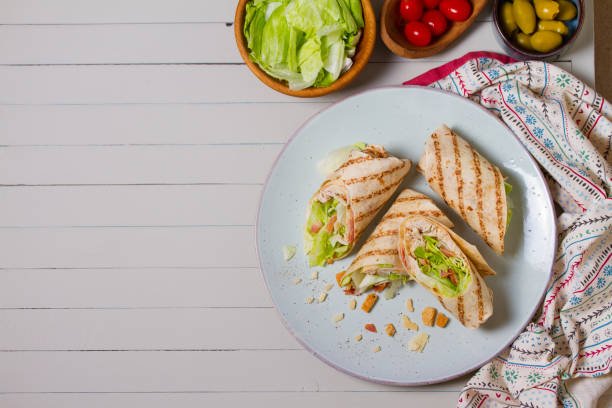
Swap the flour tortilla for large lettuce leaves. This one simple change dramatically reduces your carb intake without sacrificing any of the satisfaction.
Grill a chicken breast with olive oil, cumin, garlic powder, and lime juice. Slice it thinly. Layer it inside large romaine or butter lettuce leaves. Add diced tomatoes, sliced avocado, shredded carrots, and a drizzle of Greek yogurt mixed with lime juice as a dressing.
These wraps are fresh, crunchy, and incredibly flavorful. They’re also very easy to pack for work or school. Prep everything the night before and assemble at lunchtime.
Chickpea and Vegetable Salad
Chickpeas are a diabetic superfood. They are packed with protein and fiber. They have a low glycemic index. They keep blood sugar incredibly stable.
Combine canned chickpeas (rinsed and drained) with diced cucumber, cherry tomatoes, red onion, fresh parsley, and olives. Dress with olive oil, lemon juice, salt, and pepper. Toss well and serve.
This salad requires zero cooking. It stores well in the fridge for two days. It’s filling, nutritious, and completely blood sugar safe. Add feta cheese for extra flavor and calcium.
Satisfying Diabetic Dinner Meals
Baked Cod With Steamed Broccoli and Quinoa
Cod is a lean white fish. It’s high in protein and very low in fat and carbohydrates. Paired with steamed broccoli and a small portion of quinoa, this dinner covers all nutritional bases.
Season cod fillets with olive oil, lemon zest, garlic, paprika, and fresh dill. Bake at 400°F for 12–15 minutes until the fish flakes easily. Serve alongside a cup of steamed broccoli and half a cup of cooked quinoa.
Quinoa is better than white rice for diabetics. It contains protein and fiber. It digests more slowly. It doesn’t spike blood sugar the way regular grains do.
Beef and Vegetable Stew
A hearty, warming stew that the whole family will enjoy. Use lean beef cuts like sirloin or round. Trim all visible fat before cooking.
Brown beef pieces in olive oil in a large pot. Add diced onion, carrots, celery, and garlic. Pour in low-sodium beef broth. Add diced tomatoes, fresh thyme, and bay leaves. Simmer on low heat for 45–60 minutes until the beef is tender.
This stew is deeply satisfying. The vegetables add fiber. The lean beef provides iron and protein. It keeps blood sugar stable because there are no refined carbohydrates involved. Serve it on its own or with a small slice of whole grain bread.
Zucchini Noodles With Turkey Meatballs
Miss pasta? Zucchini noodles are the answer. They look like spaghetti. They twirl on a fork. They satisfy that pasta craving beautifully. And they have almost no carbohydrates.
Use a spiralizer or buy pre-spiralized zucchini noodles. For the turkey meatballs, mix ground turkey with garlic, onion powder, Italian seasoning, an egg, and a tablespoon of almond flour. Roll into balls and bake at 400°F for 18–20 minutes.
Heat a low-sugar marinara sauce in a pan. Toss in the zucchini noodles for just two minutes. Plate them up and top with the meatballs. Add fresh basil and a sprinkle of parmesan cheese.
This meal feels indulgent. It tastes like real pasta night. But it won’t send your blood sugar through the roof.
Diabetic Meal Planning Made Easy
Planning ahead is the single most effective strategy for eating well with diabetes. When meals are planned, you make fewer impulsive decisions. Impulsive decisions usually mean poor food choices.
Here is a simple weekly approach that works:
Sunday Prep Day: Cook a large batch of protein like grilled chicken or baked fish. Chop vegetables for the week. Cook a pot of lentils or quinoa. Store everything in separate containers in the fridge.
Mix and Match: Throughout the week, combine your prepped ingredients in different ways. Chicken goes in salads on Monday, wraps on Wednesday, and stir-fry on Friday. Variety prevents boredom without requiring daily cooking.
Keep Healthy Snacks Ready: When hunger hits between meals, you need something safe and accessible. Stock your kitchen with hard-boiled eggs, mixed nuts, Greek yogurt, carrot sticks, and hummus.
Track Your Portions: Use measuring tools until you develop a reliable eye for portion sizes. Even healthy foods affect blood sugar when eaten in excess.
Stay Hydrated: Drink water consistently throughout the day. Dehydration negatively affects blood sugar control. Replace sugary drinks completely with water, herbal tea, or sparkling water.
Foods to Limit With Diabetes
Some foods cause rapid blood sugar spikes and should be minimized or avoided entirely.
White bread and white pasta digest very quickly. They cause immediate glucose spikes. Switch to whole grain or vegetable-based alternatives.
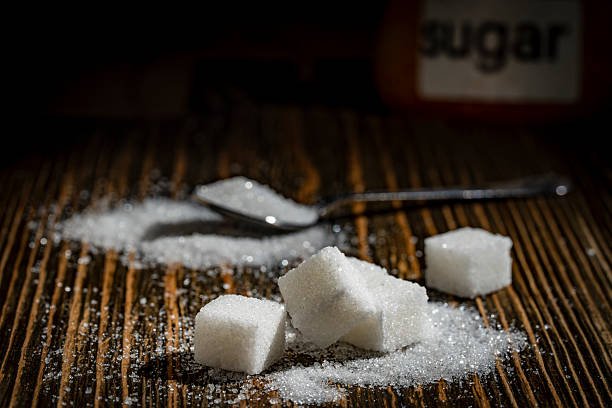
Sugary beverages including soda, fruit juice, and sweetened coffee drinks are among the worst choices for diabetics. They deliver sugar directly into your bloodstream with no fiber to slow it down.
Processed snacks like crackers, chips, and packaged cookies are loaded with refined carbs and hidden sugars. They provide no nutritional value and wreak havoc on blood sugar.
Full-fat dairy in large amounts can contribute to cardiovascular risk, which is already elevated in diabetics. Choose low-fat options like Greek yogurt and reduced-fat cheese.
Alcohol affects blood sugar in unpredictable ways. If consumed, it should be in very limited amounts and always with food.
Frequently Asked Questions
1. How many carbs should a diabetic eat per meal?
Most diabetics aim for 45–60 grams of carbs per meal, but always consult your doctor for personalized guidance.
2. Are bananas safe for diabetics?
Bananas are moderate on the glycemic index. Eat smaller, less ripe bananas in moderation and pair with protein or fat.
3. Can diabetics eat pasta?
Small portions of whole grain pasta are better than regular pasta. Zucchini noodles are an even better low-carb alternative.
4. Is brown rice better than white rice for diabetics?
Yes. Brown rice has more fiber and digests more slowly, making it a smarter choice for blood sugar control.
5. How often should diabetics eat throughout the day?
Three balanced meals with one or two small healthy snacks works well for most diabetics to maintain steady blood sugar.
Final Thoughts
Diabetic meals are not about deprivation. They are about making smarter, more intentional choices with the foods you already love. From protein-packed breakfasts to satisfying dinners, every meal is an opportunity to nourish your body and protect your health. Start small. Pick one new recipe this week.
Build your confidence in the kitchen. Stay consistent with your choices. Over time, eating well for diabetes becomes a natural part of your lifestyle, not a burden. Your blood sugar, your energy levels, and your overall wellbeing will all reflect the positive changes you make at every single meal.
Related recipes
- Mediterranean Sheet Pan Dinner: Easy One-Pan Recipes
- Mediterranean Rice Bowls: Easy, Fresh & Full of Flavor
- Mediterranean Chickpea Recipes: Simple, Healthy & Delicious