Low Glycemic Recipes: Eat Well, Feel Great, and Keep Blood Sugar Steady
Your food choices control your energy levels more than anything else. Low glycemic recipes are designed to keep blood sugar stable throughout the entire day. No spikes. No crashes. Just consistent, steady energy from morning to night. Whether you have diabetes, want to lose weight, or simply feel better every day, these recipes work. They’re delicious, satisfying, and genuinely easy to make at home.
What Does Low Glycemic Actually Mean?
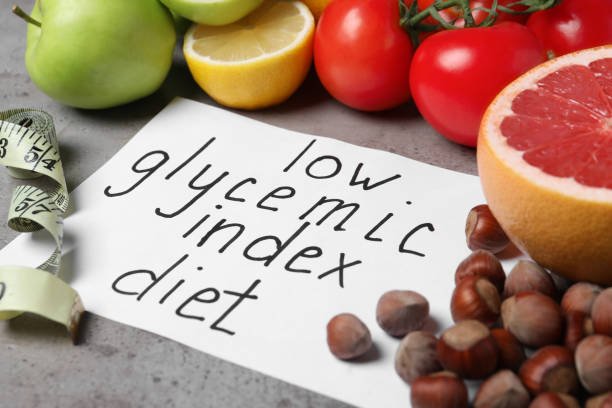
The glycemic index is a scale from zero to one hundred. It measures how quickly a food raises blood sugar after eating. Foods scored below 55 are considered low glycemic. Foods between 56 and 69 are medium. Foods above 70 are high glycemic.
High glycemic foods digest rapidly. They flood your bloodstream with glucose quickly. This causes a sharp spike in blood sugar followed by an equally sharp crash. That crash leaves you tired, irritable, and craving more sugar within hours.
Low glycemic foods digest slowly. They release glucose gradually and steadily. Blood sugar stays balanced. Energy stays consistent. Hunger stays controlled for much longer periods.
Understanding this simple concept changes how you approach every meal. You start choosing foods that work with your body instead of against it.
Key Low Glycemic Foods to Cook With
Building low glycemic recipes starts with knowing which ingredients to reach for.
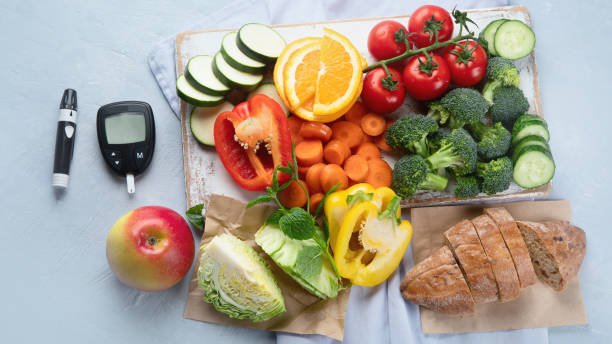
Vegetables: Leafy greens, broccoli, cauliflower, zucchini, asparagus, cucumber, mushrooms, tomatoes, and bell peppers are all excellent low glycemic choices. Non-starchy vegetables in general have very low glycemic scores.
Legumes: Lentils, chickpeas, black beans, and kidney beans are among the best low glycemic foods available. They are high in fiber and protein. They digest very slowly.
Whole grains: Rolled oats, quinoa, barley, and whole grain bread have significantly lower glycemic scores than their refined counterparts. They provide sustained energy.
Fruits: Berries, apples, pears, oranges, plums, and cherries are all low glycemic. Tropical fruits like watermelon, pineapple, and mango tend to score higher and should be eaten in moderation.
Proteins: All unprocessed proteins including chicken, fish, eggs, and tofu score extremely low on the glycemic index because they contain very few carbohydrates.
Healthy fats: Avocado, olive oil, nuts, and seeds have virtually no glycemic impact. They also slow the digestion of carbohydrates eaten alongside them.
Low Glycemic Breakfast Recipes
Steel Cut Oatmeal With Berries and Nuts
Steel cut oats have a much lower glycemic index than instant oatmeal. They take longer to cook but the difference in blood sugar response is significant and worth every extra minute.
Cook half a cup of steel cut oats in water or unsweetened almond milk according to package directions. This usually takes around 20–25 minutes. Stir occasionally to prevent sticking. When ready, top with a generous handful of fresh blueberries, a tablespoon of chopped walnuts, and a sprinkle of cinnamon.
Blueberries are rich in antioxidants and have a glycemic index of just 53. Walnuts add omega-3 fats that further slow carbohydrate digestion. Cinnamon has research-backed benefits for blood sugar regulation. This breakfast is warm, filling, and keeps blood sugar steady for hours.
Egg and Spinach Breakfast Bowl
Eggs have a glycemic index of virtually zero. They are pure protein and fat with no carbohydrates to affect blood sugar at all.
Heat olive oil in a pan over medium heat. Add a large handful of fresh spinach and cook until wilted. Season with garlic powder, salt, and pepper. Push to the side of the pan. Crack two eggs into the pan and cook to your preference. Serve together in a bowl alongside half a ripe avocado.
This breakfast is incredibly nutritious. It provides lasting satiety, healthy fats, iron, and vitamins. Your blood sugar will remain perfectly stable from this meal all the way through to lunch.
Low Glycemic Lunch Recipes

Lentil Vegetable Soup
Lentils have one of the lowest glycemic index scores of any food. Red lentils score around 21. Green lentils score around 30. Both are extraordinary choices for blood sugar management.
Sauté diced onion, garlic, carrots, and celery in olive oil for five minutes. Add one cup of rinsed lentils and four cups of low-sodium vegetable broth. Season with cumin, turmeric, coriander, salt, and pepper. Bring to a boil then reduce heat and simmer for 25 minutes until lentils are completely tender. Stir in fresh spinach and a squeeze of lemon juice before serving.
This soup is deeply warming and filling. It stores perfectly in the fridge for four days and actually improves in flavor over time. Make a large batch on Sunday for easy weekday lunches.
Quinoa and Roasted Vegetable Bowl
Quinoa scores around 53 on the glycemic index making it one of the best grain choices for blood sugar control. It also contains all nine essential amino acids making it a complete protein.
Cook one cup of quinoa according to package directions. Meanwhile toss broccoli florets, cherry tomatoes, zucchini slices, and red onion with olive oil, salt, pepper, and dried oregano. Roast at 425°F for 20–22 minutes until golden and slightly caramelized.
Assemble bowls with quinoa on the bottom and roasted vegetables on top. Drizzle with tahini thinned with lemon juice and a little water. Sprinkle with pumpkin seeds for extra crunch and nutrition.
This bowl is colorful, satisfying, and nutritionally complete. It works beautifully as a meal prep option prepared in advance for the whole week.
Low Glycemic Dinner Recipes
Baked Salmon With Asparagus and Barley
Barley has one of the lowest glycemic index scores among all grains. It scores around 28. It is rich in beta-glucan fiber which actively slows glucose absorption into the bloodstream.
Cook half a cup of pearl barley according to package instructions. Season salmon fillets with olive oil, lemon juice, fresh dill, garlic, salt, and pepper. Place on a baking sheet with trimmed asparagus alongside. Bake at 400°F for 15–18 minutes until salmon flakes easily.
Serve the salmon and asparagus over the cooked barley. This dinner is elegant and genuinely restaurant quality. It covers protein, healthy fat, low glycemic grains, and fiber-rich vegetables all in one beautiful plate.
Chicken and Chickpea Stir-Fry
Chickpeas score around 28 on the glycemic index. They add substance, protein, and fiber to any dish beautifully. Combined with lean chicken and fresh vegetables, this stir-fry becomes a complete low glycemic dinner.
Dice two chicken breasts and cook in sesame oil over high heat until golden. Remove and set aside. In the same pan stir-fry sliced bell peppers, broccoli florets, snap peas, and minced garlic for three minutes. Add one can of rinsed chickpeas. Return chicken to the pan. Season with low-sodium soy sauce, fresh ginger, and a squeeze of lime juice. Toss everything together over high heat for two more minutes.
Serve immediately over cauliflower rice for an ultra-low glycemic meal. Every ingredient in this dish has a low glycemic score. The combination creates something filling, flavorful, and completely blood sugar friendly.
Black Bean Turkey Chili
This hearty chili is the perfect low glycemic comfort food. Black beans score around 30 on the glycemic index. They are extraordinarily high in fiber and protein.
Brown one pound of ground turkey in a large pot with olive oil. Add diced onion, minced garlic, and diced bell peppers. Cook for three minutes. Add two cans of rinsed black beans, one can of diced tomatoes, one cup of low-sodium chicken broth, cumin, chili powder, smoked paprika, salt, and pepper. Stir everything together. Simmer on low heat for 25–30 minutes until flavors develop fully.
Serve topped with diced avocado, a spoonful of plain Greek yogurt, fresh cilantro, and a squeeze of lime. This chili freezes beautifully. Make a double batch and freeze half for effortless dinners in the weeks ahead.
Low Glycemic Snack Ideas
Smart snacking between meals prevents blood sugar dips and keeps energy consistent throughout the day. Choose snacks that combine protein, fiber, and healthy fat together for the best glycemic response.
Best low glycemic snacks:
- Apple slices with natural almond butter
- A small handful of mixed nuts and seeds
- Carrot and cucumber sticks with hummus
- Plain Greek yogurt with fresh berries
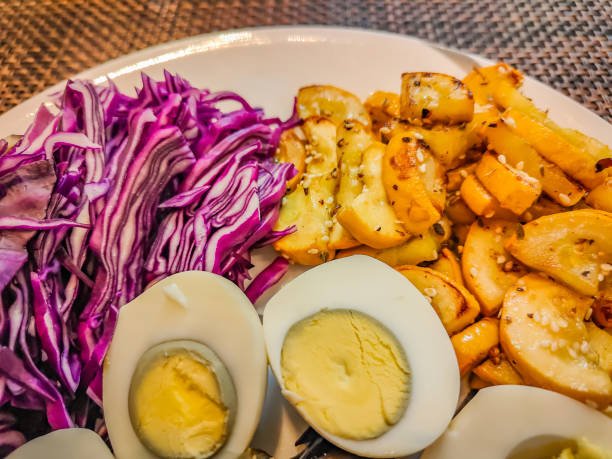
- Hard-boiled eggs with a pinch of sea salt
- Celery with natural peanut butter
- Cottage cheese with sliced tomatoes
- A small portion of edamame lightly seasoned
Keep these snacks prepped and ready in your fridge. Accessible healthy snacks prevent impulsive poor choices when hunger strikes unexpectedly between meals.
Tips for Cooking Low Glycemic Meals
Combine macronutrients strategically. Always pair carbohydrates with protein and fat. This combination dramatically lowers the overall glycemic response of any meal. A plain piece of bread has a high glycemic impact. The same bread eaten with eggs and avocado has a much lower overall impact on blood sugar.
Cook pasta and grains al dente. Overcooked pasta and grains have a higher glycemic index than al dente versions. The firmer texture means slower digestion and a lower blood sugar impact. This simple tip requires zero extra effort.
Add vinegar to meals. Research shows that apple cider vinegar and regular vinegar consumed with or before meals can reduce the glycemic response significantly. Use vinegar-based dressings on salads eaten alongside higher carbohydrate foods.
Choose whole fruit over fruit juice. The fiber in whole fruit dramatically lowers its glycemic impact compared to juice. Orange juice has a glycemic index of around 50. A whole orange scores around 35. The difference is entirely due to fiber content.
Cool and reheat starchy foods. This sounds unusual but it works. When cooked pasta, rice, or potatoes are cooled in the fridge and then reheated, they develop resistant starch. Resistant starch behaves more like fiber in the body and significantly lowers the glycemic impact.
Use acids in cooking. Lemon juice, lime juice, and vinegar added to meals slow gastric emptying. This slows how quickly food moves through your digestive system and reduces the rate of glucose absorption into the blood.
Frequently Asked Questions
1. Is low glycemic eating the same as low carb eating?
Not exactly. Low glycemic focuses on the quality and type of carbs. Low carb focuses on the quantity. You can eat carbs on a low glycemic diet as long as they have a low glycemic score.
2. Can low glycemic recipes help with weight loss?
Yes significantly. Stable blood sugar reduces cravings and prevents overeating. This naturally supports healthy and sustainable weight loss over time.
3. Are sweet potatoes low glycemic?
Sweet potatoes score around 44–61 depending on preparation method. Boiled sweet potatoes are lower glycemic than baked ones. Eat in moderate portions.
4. Is brown rice low glycemic?
Brown rice scores around 50–55 which is considered low to medium glycemic. It is a much better choice than white rice which scores 64–72.
5. How quickly do low glycemic recipes improve blood sugar levels?
Many people notice improvements in energy and blood sugar stability within one to two weeks of consistently following a low glycemic eating pattern.
Final Thoughts
Low glycemic recipes are not a temporary diet. They are a sustainable, enjoyable way of eating that supports your health for life. Every recipe in this guide proves that food can be deeply satisfying and genuinely delicious while keeping your blood sugar perfectly balanced.
From warming lentil soups and vibrant quinoa bowls to elegant baked salmon and hearty black bean chili, there is a low glycemic meal for every taste, every occasion, and every season. Start with one recipe today. Notice how you feel after eating it. That steady energy, that absence of a blood sugar crash, that lasting feeling of fullness — that is what eating with intention feels like. Keep building from there. Your body will thank you every single day.
Low Glycemic Recipes tips
Use this section as a quick reference while you cook.
Related recipes
- Mediterranean Sheet Pan Dinner: Easy One-Pan Recipes
- Mediterranean Rice Bowls: Easy, Fresh & Full of Flavor
- Mediterranean Chickpea Recipes: Simple, Healthy & Delicious