Mediterranean Diet Meal Plan: Your Easy Week of Healthy Eating
Introduction
Looking to eat more healthily without feeling deprived? The Mediterranean diet meal plan is the solution. Not in any way a hard diet. It’s an eating pattern that is organic and fun. All meals are packed with fresh vegetables, whole grains, healthy fats and lean proteins. This lifestyle is adopted by millions of people throughout the world. The health benefits are amazing, too. Create the ideal week.
What Is the Mediterranean Diet Meal Plan?
A Mediterranean diet meal plan is a weekly plan that is structured. It will give you a daily menu for breakfast, lunch and dinner. However, it doesn’t seem confining. The foods are really good. The servings are filling. There’s lots of variety to keep things interesting all week long.
The meal plan is based on the food items of people from Mediterranean countries. Remember Greece, Italy, Spain, and Turkey. They are among the least heart disease and obesity-prone populations in the world. It’s a simple secret. Real food. Cooked simply. Eaten mindfully.
Who Is This Meal Plan For?
This plan is applicable with nearly anyone. Those who desire to shed weight. Individuals with heart disease and/or diabetes. Families aiming to improve their diet as a family. For busy professionals that need quick and healthy meals. Older adults seeking to safeguard the health of their brain and heart. Anyone who enjoys tasty food and feels their best.
Mediterranean Diet Foods to Eat and Avoid
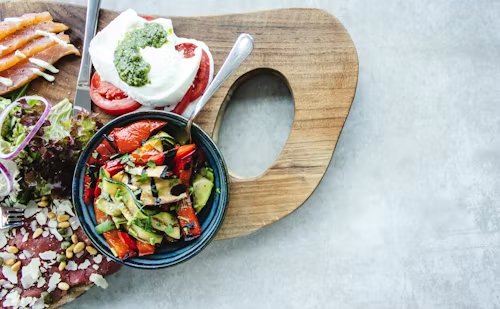
Before building the Mediterranean Diet Meal Plan understand the basics.
Foods to Eat Freely
- Fresh and roasted vegetables
- Fresh fruits
- Whole grains like oats, quinoa, and brown rice
- Legumes like chickpeas, lentils, and beans
- Fish and seafood
- Extra virgin olive oil
- Nuts and seeds
- Fresh herbs and spices
- Plain yogurt and small amounts of cheese
Foods to Eat in Moderation
- Eggs
- Poultry like chicken and turkey
- Red wine (optional and in very small amounts)
Foods to Limit or Avoid
- Processed and packaged foods
- Added sugars and sugary drinks
- Red meat eaten too frequently
- Butter and margarine
- Fast food and fried foods
- Refined grains like white bread and white rice
These guidelines are flexible. No food is completely banned. Balance is the key.
Full 7-Day Mediterranean Diet Meal Plan
Here is a complete week of meals. Every day is balanced, nutritious, and genuinely delicious.
Day 1 — Monday
Breakfast: Greek yogurt topped with honey, walnuts, and fresh berries. Simple and satisfying.
Lunch: Large Greek salad with tomatoes, cucumber, olives, feta cheese, and olive oil dressing. Serve with a slice of whole grain bread.
Dinner: Baked lemon garlic salmon with roasted zucchini and a side of quinoa.
Snack: A small handful of almonds and a piece of fruit.
Day 2 — Tuesday
Breakfast: Overnight oats made with almond milk, chia seeds, sliced banana, and a drizzle of honey.
Lunch: Lentil soup with diced tomatoes, cumin, and fresh parsley. Serve with warm pita bread.
Dinner: Grilled chicken with roasted bell peppers, onions, and a side of brown rice.
Snack: Hummus with cucumber and carrot sticks.
Day 3 — Wednesday
Breakfast: Scrambled eggs with spinach, tomatoes, and a drizzle of olive oil. Serve with whole grain toast.
Lunch: Tabbouleh salad with bulgur wheat, fresh parsley, mint, tomatoes, lemon, and olive oil.
Dinner: Shakshuka. Eggs poached in a spiced tomato and pepper sauce. Served with crusty bread.
Snack: A small bowl of mixed olives and a few whole grain crackers.
Day 4 — Thursday
Breakfast: Whole grain toast topped with smashed avocado, sliced tomatoes, and a sprinkle of oregano.
Lunch: Chickpea and spinach stew with garlic, cumin, and canned tomatoes. Filling and plant-based.
Dinner: Grilled shrimp skewers with lemon herb marinade. Serve with couscous and a simple cucumber salad.
Snack: Greek yogurt with a drizzle of honey and a few walnuts.
Day 5 — Friday
Breakfast: Smoothie made with spinach, banana, Greek yogurt, almond milk, and a tablespoon of nut butter.
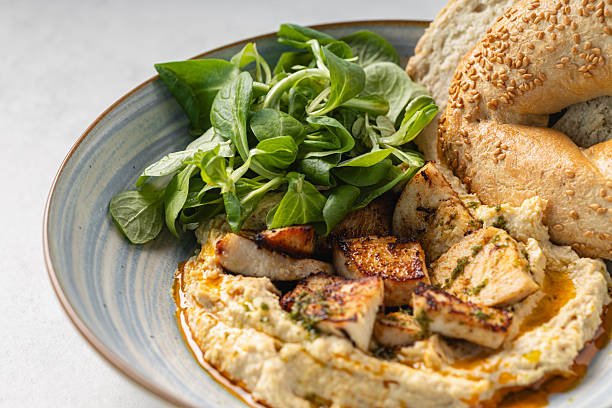
Lunch: Whole wheat wrap filled with grilled chicken, hummus, roasted vegetables, and fresh arugula.
Dinner: Baked cod with cherry tomatoes, capers, olives, and olive oil. Serve with roasted potatoes.
Snack: A small apple with a tablespoon of almond butter.
Day 6 — Saturday
Breakfast: Traditional shakshuka for a weekend brunch. Take your time and enjoy it.
Lunch: Mezze platter with hummus, baba ganoush, tabbouleh, olives, feta, and warm pita bread. Great for sharing.
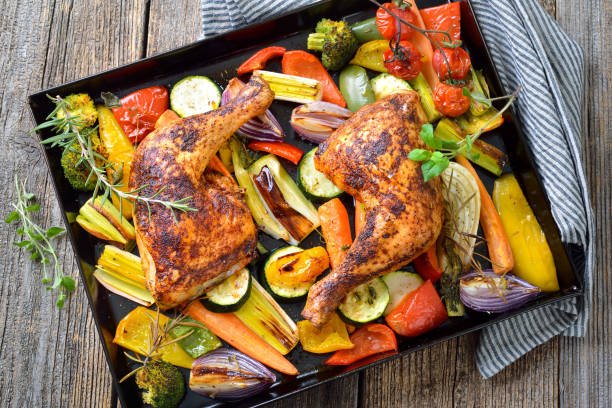
Dinner: Slow-roasted chicken thighs with lemon, garlic, and fresh rosemary. Served with roasted root vegetables and quinoa.
Snack: Fresh fruit salad with a squeeze of lemon and fresh mint.
Day 7 — Sunday
Breakfast: Whole grain pancakes topped with fresh strawberries and a small drizzle of honey.
Lunch: Pasta e Fagioli. Italian pasta and bean soup with tomatoes, garlic, and olive oil. Hearty and warming.
Dinner: Grilled sardines or mackerel with a simple green salad and crusty whole grain bread.
Snack: A handful of mixed nuts and dried figs.
Mediterranean Diet Meal Plan Prep Tips
Planning ahead makes the whole week easier.
Prep on Sunday
Spend one to two hours on Sunday preparing. Cook a big batch of grains like quinoa or brown rice. Roast a large tray of mixed vegetables. Prepare hummus or lentil soup. Store everything in airtight containers in the fridge.
Keep Healthy Snacks Ready
Wash and chop vegetables at the start of the week. Portion out nuts into small bags. Keep Greek yogurt in the fridge. Having snacks ready prevents reaching for unhealthy options when hunger hits.
Double Your Dinner
When cooking dinner, make double the amount. Use leftovers for lunch the next day. This saves time and ensures you always have a healthy meal ready to go.
Mediterranean Diet Shopping List Basics
Stock these essentials and you will always be ready to cook your Mediterranean Diet Meal Plan dishes.
Produce: Tomatoes, cucumbers, spinach, zucchini, bell peppers, lemons, and seasonal fruits.
Proteins: Salmon, chicken thighs, eggs, canned tuna, shrimp, and canned chickpeas.
Grains: Quinoa, brown rice, whole grain pasta, bulgur wheat, and whole grain bread.
Dairy: Greek yogurt, feta cheese, and small amounts of parmesan.
Pantry: Extra virgin olive oil, canned tomatoes, tahini, dried lentils, mixed nuts, and dried herbs.
How to Stick to the Mediterranean Meal Plan
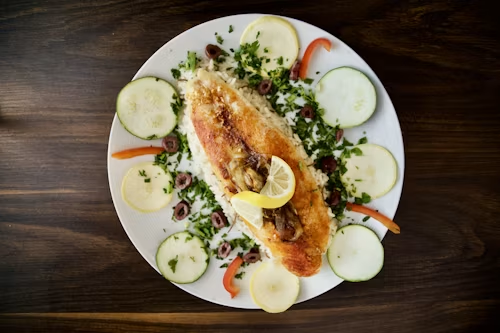
Starting a new eating plan is exciting. Sticking to it long term takes a little strategy.
Start gradually. Do not change everything at once. Swap one meal at a time. Replace butter with olive oil. Add more vegetables to dishes you already love.
Cook at home more often. Restaurant meals often use more salt and unhealthy fats. Home cooking gives you full control over what goes into your food.
Enjoy your meals. The Mediterranean lifestyle is about pleasure and connection. Sit down to eat. Take your time. Savor every bite.
Be flexible. This is not a rigid diet. If you miss a day or eat something outside the plan, simply get back on track. No guilt needed.
Conclusion
A Mediterranean diet meal plan is one of the most enjoyable and sustainable ways to eat well. It is not about restriction. It is about abundance. Abundance of fresh vegetables, vibrant flavors, wholesome grains, and nourishing fats. The seven-day plan above gives you a solid foundation to start. Follow it closely or adapt it to suit your preferences. Either way, your body will notice the difference quickly. More energy. Better digestion. A healthier heart. And meals that you genuinely look forward to every single day. Start this Monday and transform the way you eat for life.
FAQs
Q1: How quickly does the Mediterranean diet show results?
Many people notice more energy and better digestion within the first two weeks.
Q2: Can I lose weight on the Mediterranean diet?
Yes. It promotes steady, sustainable weight loss through whole foods and balanced portions.
Q3: Is this meal plan suitable for diabetics?
Yes. It helps regulate blood sugar through low-glycemic foods and healthy fats.
Q4: Can I follow this plan without eating fish?
Absolutely. Replace fish with eggs, legumes, or plant-based proteins easily.
Q5: Is the Mediterranean meal plan expensive?
No. Beans, lentils, grains, and seasonal vegetables keep costs very manageable.
Related recipes
- Mediterranean Sheet Pan Dinner: Easy One-Pan Recipes
- Mediterranean Rice Bowls: Easy, Fresh & Full of Flavor
- Mediterranean Chickpea Recipes: Simple, Healthy & Delicious
For general healthy-eating guidance, see the https://www.eatingwell.com resources.