Keto Pizza Bowl: The Low-Carb Pizza Fix You’ve Been Waiting For
Craving pizza but trying to stay on track with keto? You’re not alone. Pizza is one of the hardest foods to give up. But here’s the good news — a keto pizza bowl gives you every single flavor you love, without the carb-heavy crust. It’s simple, fast, and incredibly satisfying. This dish might just become your new favorite weeknight meal.
What Is a Keto Pizza Bowl?
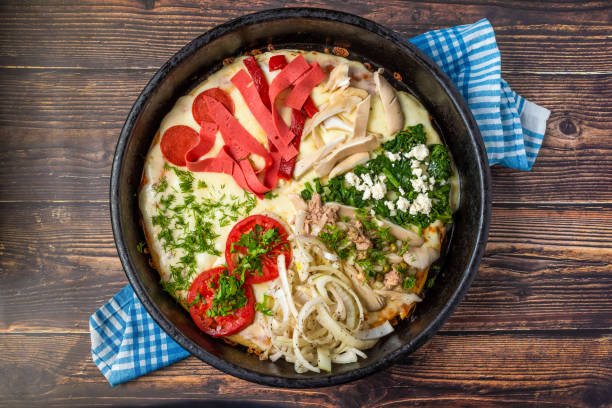
A keto pizza bowl is exactly what it sounds like. It’s all the best parts of pizza — the sauce, the cheese, the toppings — served in a bowl instead of on a crust. No dough. No bread. Just pure pizza goodness in a low-carb format.
It works perfectly for anyone following a ketogenic diet. You skip the carbs but keep all the flavor. The result is a meal that feels indulgent but fits your macros.
Why People Love This Recipe
People go crazy for this dish for a few reasons.
First, it’s quick. You can have it ready in under 30 minutes. Second, it’s flexible. Use whatever toppings you like. Third, it’s filling. The fat and protein keep you full for hours. And finally, it actually tastes like pizza.
That last point matters most. Many “keto versions” of classic dishes fall flat. This one doesn’t. It hits all the right notes.
Key Ingredients You Need
The Base
You need a protein-rich base to start. Ground beef or Italian sausage works best. Cook it in a skillet until browned. Season it well. This becomes the “crust” of your bowl in a way. It holds everything together and adds serious flavor.
The Sauce
Use a low-carb marinara or pizza sauce. Read the label carefully. Many store-bought sauces are packed with added sugar. Look for one with 3–4 grams of carbs or less per serving. You can also make your own using canned tomatoes, garlic, olive oil, and Italian seasoning.
The Cheese
Mozzarella is the classic choice. Shred it fresh if you can. Pre-shredded cheese sometimes has added starch that sneaks in extra carbs. Add a generous handful on top. It melts beautifully and gives that stretchy, gooey pizza texture.
The Toppings
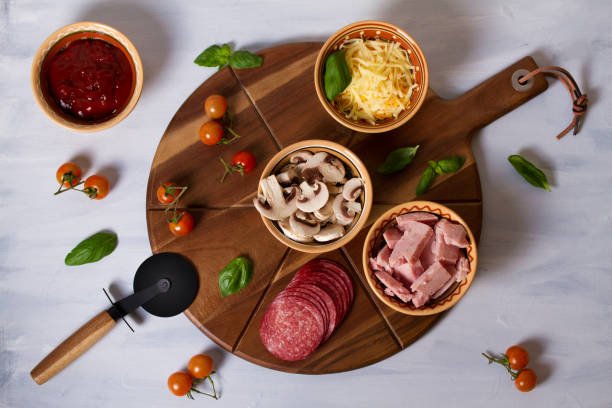
This is where the fun begins. Popular keto-friendly toppings include:
- Pepperoni slices
- Black olives
- Sliced mushrooms
- Bell peppers (in moderation)
- Jalapeños
- Fresh basil
- Crushed red pepper flakes
You’re in charge. Pick what you love.
How to Make a Keto Pizza Bowl
Step 1: Cook the Meat
Heat a skillet over medium-high heat. Add your ground beef or sausage. Break it apart as it cooks. Season with salt, pepper, garlic powder, and Italian seasoning. Cook until fully browned. Drain any excess fat.
Step 2: Add the Sauce
Pour your pizza sauce directly into the skillet over the meat. Stir everything together. Let it simmer for 2–3 minutes. This helps the flavors blend together nicely.
Step 3: Add the Cheese
Sprinkle a generous layer of shredded mozzarella on top. Cover the skillet with a lid. Let the cheese melt completely. This only takes a minute or two.
Step 4: Add Your Toppings
Once the cheese is melted, add your toppings. Lay pepperoni slices on top. Add olives, mushrooms, or whatever you chose. Sprinkle some red pepper flakes and fresh basil to finish it off.
Step 5: Serve and Enjoy
Scoop it into bowls and serve hot. That’s it. Simple, fast, and absolutely delicious.
Nutrition Breakdown
This varies based on your specific ingredients. But here’s a rough estimate for one serving using ground beef, marinara, mozzarella, and pepperoni:
- Calories: 450–550
- Fat: 35–40g
- Protein: 28–35g
- Net Carbs: 5–8g
These numbers make it a solid keto meal. You stay well within your daily carb limit while getting plenty of healthy fats and protein.
Tips to Make It Even Better
Use fresh herbs. Dried herbs are fine, but fresh basil or oregano takes the flavor up a notch.
Broil it for a minute. After melting the cheese, pop the skillet under the broiler for 60 seconds. The cheese gets golden and bubbly — just like a real pizza.
Make it spicy. Add hot sauce or extra jalapeños if you like heat. It adds a fun kick.
Try different meats. Ground turkey, chicken, or even a plant-based option all work well here.
Meal prep it. Make a big batch and store it in containers. It reheats beautifully for lunch the next day.
Is It Kid-Friendly?
Yes! Kids love this meal. Let them pick their own toppings. Kids feel involved, and they’re more likely to eat it. Use mild sauce and keep toppings simple for younger kids. For older kids or teens, let them go wild with toppings.
It’s a great way to sneak a healthy, protein-rich meal past picky eaters without any fuss.
Can You Meal Prep Keto Pizza Bowls?
Absolutely. Cook a large batch of the meat and sauce ahead of time. Store it in the fridge for up to 4 days. When you’re ready to eat, just reheat it in a pan or microwave, add the cheese, melt it, then add fresh toppings. Done in minutes.
You can also freeze the meat and sauce mixture. Thaw it overnight in the fridge when needed. This makes weeknight dinners incredibly easy.
FAQs
1. Can I use cauliflower as a base instead of meat?
Yes! Roasted cauliflower works great as a low-carb veggie base for a lighter option.
2. What’s the best cheese for keto pizza bowls?
Mozzarella is the top choice. Provolone and cheddar also work well.
3. How many carbs are in a keto pizza bowl?
Typically 5–8 net carbs per serving, depending on your sauce and toppings.
4. Can I make this dairy-free?
Yes. Use dairy-free cheese alternatives or skip the cheese and add extra toppings.
5. How long does it keep in the fridge?
Store it in an airtight container for up to 4 days. Reheat before serving.
Final Thoughts
The keto pizza bowl is proof that healthy eating doesn’t have to be boring. You don’t have to miss pizza anymore. This dish brings all the flavors you crave in a simple, low-carb package. It’s fast to make, easy to customize, and genuinely delicious. Whether you’re deep into keto or just cutting back on carbs, this recipe is worth trying tonight. Make it once and it’ll earn a permanent spot in your meal rotation.
Related recipes
- Keto Beef Bowl: The Ultimate Low-Carb Comfort Meal in a Bowl
- Keto Sheet Pan Dinner: The Easiest Low-Carb Meal You Can Make Tonight
- Keto Air Fryer Recipes: Easy, Crispy, and Low-Carb Meals You l Love
For general healthy-eating guidance, see the USDA MyPlate resources.